How to Give Good Feedback as a Technical Leader | Elevated You
Feb 03, 2026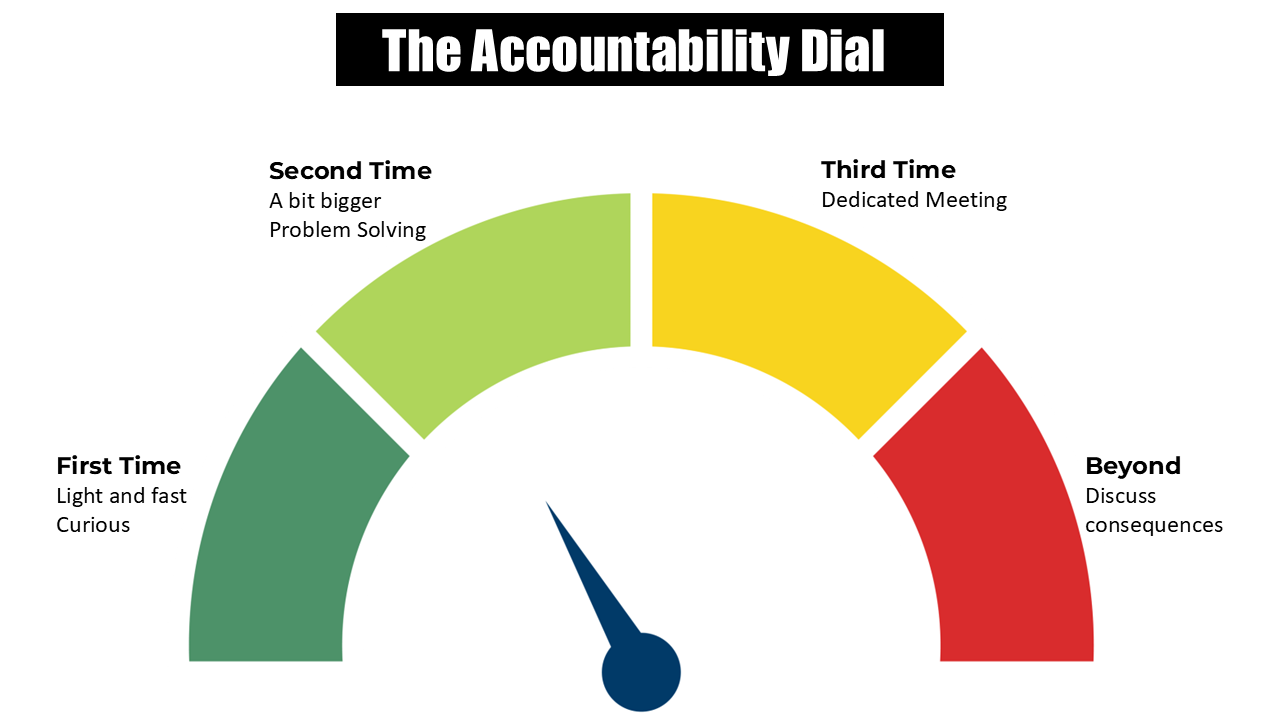
Hi Folks
Last week I finished delivering my new course "Leading with Impact. Core Skills For Technology Leaders". I was really pleased how it went, and got brilliant feedback. One of the modules we covered was how to give good feedback.
People find giving feedback really tough, but it's such an important skill. Let's start with some terrible examples of feedback based on true stories:
True Story 1
Boss: "You aren't proactive in your approach".
Person: "Could you give me an example"
Boss: "No not really, just generally"
No specifics at all. Not useful feedback.
True Story 2
Said to an Lisa (not her real name) by her boss:
Boss: "You just need to be a bit less Lisa"
Lisa: [silence - what is she supposed to do with that]
This is the worst example of feedback ever. What was her boss thinking? Nothing actionable at all.
True Story 3
Boss: "You’re a bit arrogant in your approach".
Person: "What do you mean?"
Boss: "When you talk to people you come across as arrogant"
Person: "Oh. I don't mean to. What is it I do?"
Boss "Well you're just arrogant"
No specific behaviours mentioned. Just a subjective statement. What can they do with this?
So let's dig into some top tips to improve how you deliver feedback.
Timely
You need to give feedback in a relatively quick time frame. I`m not saying right away in the heat of the moment (sometimes that's needed) but pretty soon. There's nothing worse than hearing feedback 4 months later in your mid-year review. Deliver it whilst it's fresh in peoples mind.
Specific
Base all feedback on examples. If it's a general trend you see, make a note of a number of examples. Don’t give feedback on generics, root it in reality with genuine observations about real situations.
Behavioural Not Judgement Based
This is a bit harder to explain. Give feedback based on observed behaviours, not judgement that you have ascribed to those behaviours. So don't use words like "aggressive", "slow", "idiot", "arrogant", "debbie downer". These are all words where you have observed a behaviour, subjectively judged it and ascribed a label to it.
Instead, focus on the observed behaviours. Things like "you said this phrase", "you raised your voice", "you pointed your finger like this", "you received the email on this day, and hadn't responded by this day", "you said XXX in your email to the customer".
Exercise Curiosity
Spend time understanding the perspective of the individual. Were they aware of the situation? What happened from their perspective? What were they thinking at the time?
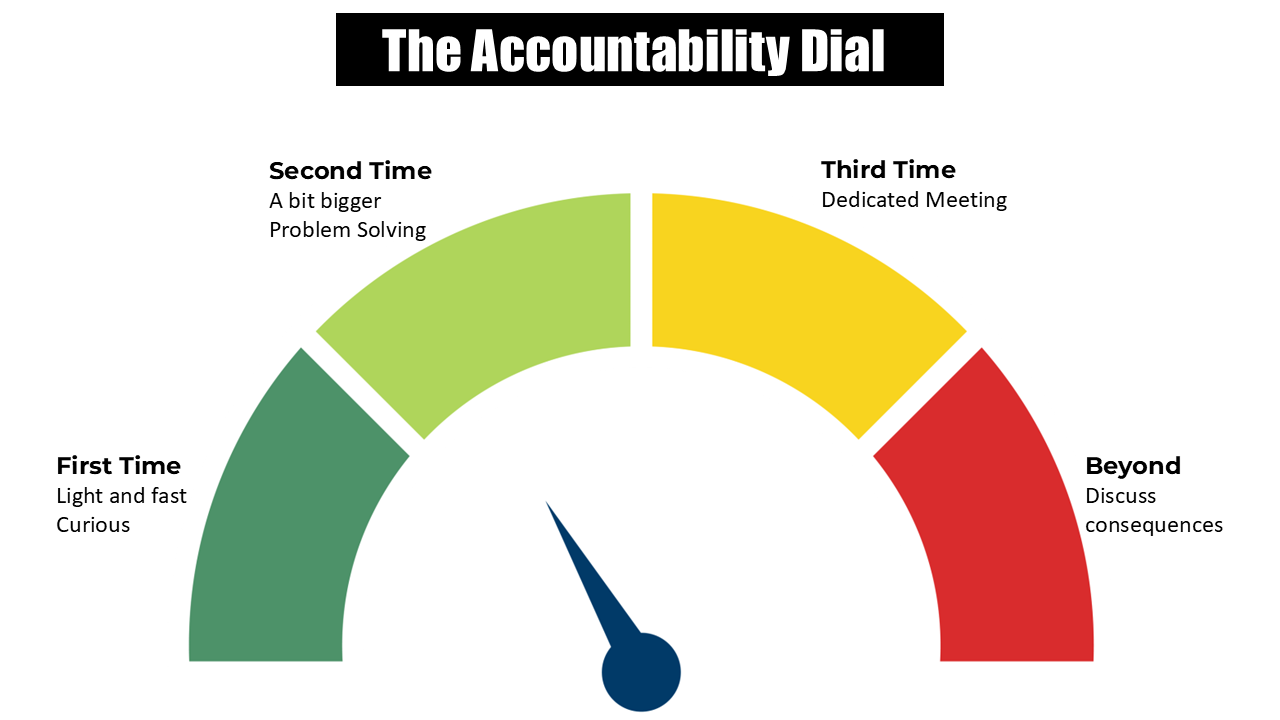
Giving Feedback - The Accountability Dial
This is lovely little model to help you think about being proactive with feedback.
Don't procrastinate and store up your feedback until an end of year review, or until you explode with rage. Nip it in the bud early and build the strength of feedback if it continues.
Start lightly and exercise curiosity early on. For example if Jane is constantly on her phone in a meeting say:
"Hi Jane, is everything all OK? I noticed you were on your phone a lot during the meeting. Is something going on?"
There might be a great reason and everything is resolved. But if she persists, the second time might be a slightly bigger deal, and you could explore problem solving the issues with her. The third time might be that it gets a meeting of its own to discuss. The fourth meeting we might be talking about consequences of her behaviour.
Exercise curiosity, engage early and increase the strength of feedback if nothing changes.
COIN Model
Here is a great way to structure your thoughts when giving feedback: COIN
- Context: The situation and setting from where the observations occurred. Set the context.
- Observation: Specifically what was the behaviour that you observed. This needs to be specific and tangible. "You did this in meeting X". Not generic and high level.
- Impact: What was the impact. If there was no impact, then maybe it doesn't matter. If it does matter, what was the impact? Explain this as clearly as possible.
- Next Steps: What should they do differently next time? What do they need to do differently in the future?
Here's an example.
Context - When we had a team meeting this morning.
Observation- Share the specific behaviour that you observed.
Example:
"When you raised your voice, pointed your finger and said to Darren "Just do you your ******* job""
Impact - Share the impact this had
Example
"Darren found this very disrespectful. He was upset by your comments and is no longer willing to support you on this project. This means we have had to spend hours rejuggling the workload to find someone else to work with you. It's also damaged your reputation and a number of people feel they would rather not work with you"
Next Steps - Share what should be done differently
Example
"You need to behave more calmly and respectfully. I would suggest specific things like keeping your voice quieter, changing your body language and using more respectful language. But I also think we need to dig into what triggered you to behave in such a way."
So there we have it. Invest time in learning how to give great feedback. As a leader it's one of the best things you can do. It's tough so keep at it, and best of luck.
Hope this helps.
BenP