How to Be More Persuasive at Work | Elevated You
Mar 17, 2026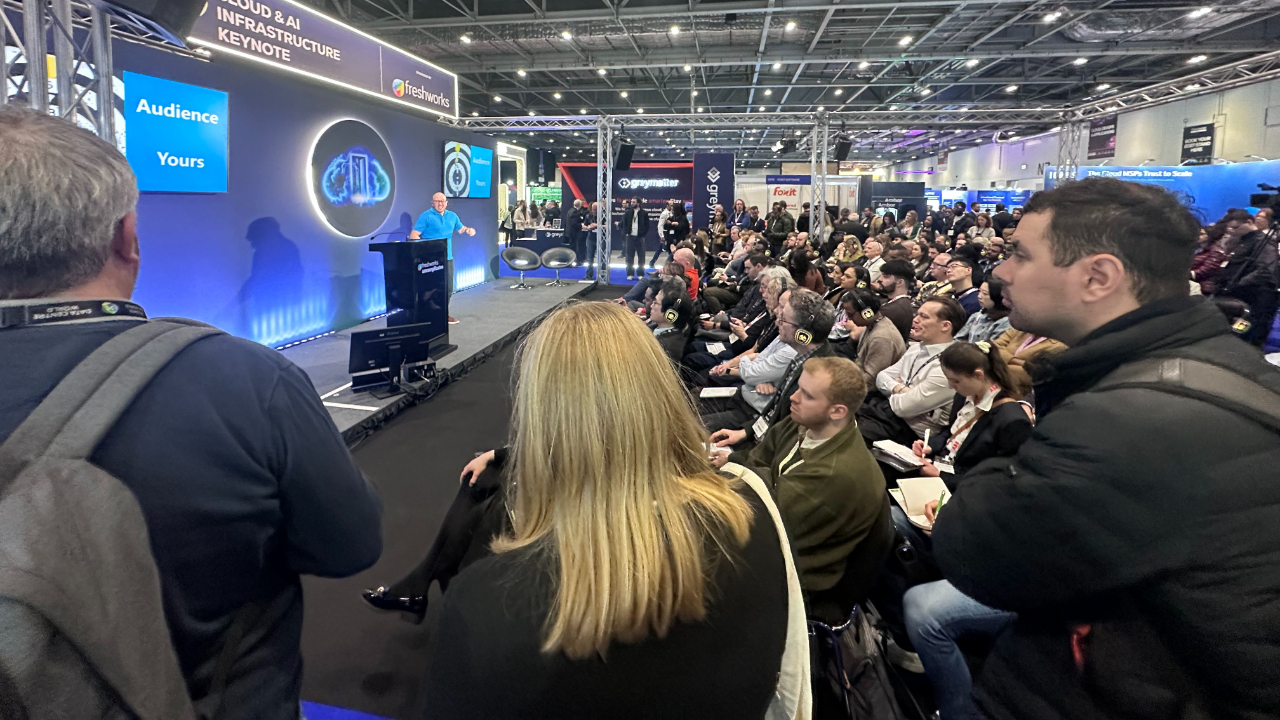
Hi Folks
Want to be more influential? Get noticed for promotions? Close bigger deals?
On stage at Tech Show London 2 weeks ago I delivered a session to a crowd of 200 ish people. It was "Be More Valuable. Build Your Human Skills That AI Can't Replace".
My main point was that AI isn't very good at interfacing with the real world. It's great at coding, accessing knowledge and all sorts of other things. So to thrive in tech, build your AI skills AND invest in your human skills.
I said I'd cover the 4 topics from my session in the Tech World Human Skill Weekly. So here's week 2 - Facts Don't Win Arguments. This Does.
Your Brain On Facts Alone
When you're presenting pure logic and data, your listener is only using the prefrontal cortex. A chunk of the brain. Useful, but limited.
But stimulate an emotional response: humour, shock, a story about something going spectacularly wrong — and the amygdala and other parts of the brain join the party. More of the brain firing means better cognitive processing, better problem solving and crucially, better recall.
You're not just persuading them. You're making THEM more effective. And they'll remember YOU better.
As Maya Angelou put it:
"People will forget what you said, people will forget what you did, but people will never forget how you made them feel."
Neuroscience agrees with Maya.
"But I'm Not That Guy Down The Pub"
I was coaching someone on my Technical Storytelling program recently. He had to present some genuinely dry topics. Change control, to be precise. No offence if that's your area.
He was delivering it like a human whitepaper.
I pushed him, kindly, supportively, to tell the story of the CrowdStrike outage. What happened, how it unfolded, the chaos it caused, and how it connected to change control. The difference was night and day. The audience leaned in. They got excited. They were far more receptive to everything he said next.
All from one story.
6 Tips To Tell A Better Anecdote
- Be Relevant. Choose something that happened to you, your company or the industry that connects to your point. An irrelevant story doesn't help.
- Keep It Short. Under 2 minutes. About 150-300 words spoken. Ruthlessly edit.
- Make It About People. The tech is never the hero. A person is. Make them relatable. Show the impact on them.
- Stretch The Emotion. If it was bad, make it terrible. If it was good, make it amazing. A little artistic licence goes a long way.
- Make It Interesting. A boring story has less impact than an interesting one. A story about your breakfast won't cut it. Choose wisely.
- Give It Structure. Set the scene. Cover the main substance. Provide the resolution. Simple.
Pick one customer conversation coming up this week. Find one relevant story. Try it.
You'll be amazed by the results.
Hope this helps.
BenP