What King Charles Can Teach You About Presenting | Elevated You
May 05, 2026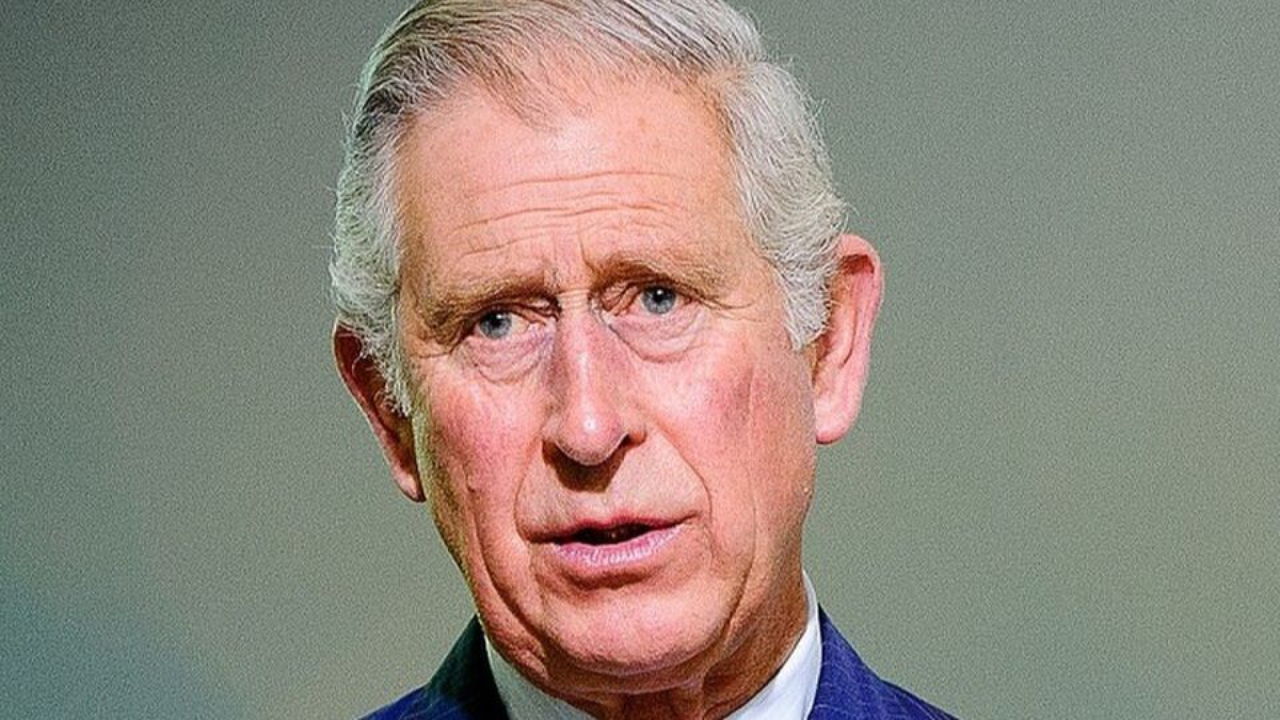
King Charles addressed a Joint Session of the US Congress last week.
Everyone was talking about the politics. The symbolism. The diplomacy.
I watched it as a presentation coach.
And what I saw was a masterclass in technical storytelling - the kind of communication that lands with real weight, builds genuine connection, and moves an audience.
So here's my Match of the Day pundit breakdown. Five things he did brilliantly - and what you can take into your next big presentation.
1. He Was Completely Authentic
Nobody else on the planet could have given that speech.
He opened with a joke about holding a Member of Parliament hostage at Buckingham Palace. He referenced serving in the Royal Navy. He spoke about his late mother, Queen Elizabeth, who addressed the same chamber in 1991. He wove in personal history at every turn.
It was uniquely, unmistakably him.
That's the thing about authenticity - it's not a technique. It's a decision. A decision to show up as yourself rather than a polished, corporate version of who you think people want to see.
The best presentations I've ever watched - and the ones I've helped people deliver - all have this in common. They sound like the person giving them. Not a template. Not a slide deck written by a committee. The real person.
For technical professionals, this matters more than you might think. Your audience - whether it's a customer, a room of stakeholders, or a conference crowd - can feel the difference between someone who believes what they're saying and someone going through the motions.
Authenticity is what makes people trust you.
So ask yourself before your next presentation: does this sound like me? Or does it sound like everyone else in my industry?
2. He Used a Brilliant Case Study
He didn't just say the two nations share deep democratic values.
He proved it.
Magna Carta. Signed in 1215. Cited in over 160 US Supreme Court cases since 1789. There's even an acre of land by the River Thames at Runnymede - given to the USA by the people of the United Kingdom - to symbolise that shared commitment to liberty.
That's not a vague claim. That's a specific, tangible, memorable example that makes an abstract point hit hard.
This is one of the most underused tools in technical presentations. People state the point. They move on. They assume the audience will just believe them.
They won't. Not always.
The story, the example, the case study - that's what makes it stick. That's what makes someone in the audience nod and think "yes, I get it."
When you're explaining a complex solution, a new approach, or a strategic recommendation - don't just make the assertion. Prove it. Use a real example. A customer story. An industry situation that illustrates the risk. A before and after.
Specificity is credibility.
3. He Used Humour - and He's Not Known for It
That's precisely the point.
He got genuine laughs. Warm, real laughs. In front of Congress. From some of the most politically switched-on people in the world.
He joked about 250 years ago being "just the other day" from a British perspective. He wondered aloud whether any Members of Congress would volunteer to be held hostage at Buckingham Palace. Both landed perfectly.
You don't need to be a natural comedian to use humour effectively. You need one or two well-placed moments that ease tension and build connection.
I work with technical professionals all the time who think humour isn't for them. That it's too risky. Too unpredictable. But the absence of any lightness makes a presentation harder to sit through - not safer.
A well-crafted, relevant moment of levity does three things. It relaxes the room. It makes you more human. And it makes the serious points land harder by contrast.
King Charles wasn't doing stand-up. He was using a light touch to build warmth before delivering some genuinely challenging messages. That's a skill worth developing.
4. He Backed His Points With Data
This was not a speech full of warm words and empty platitudes.
There was substance.
$430 billion in annual trade between the UK and US. $1.7 trillion in mutual investment. More than 2,300 Marshall Scholarships awarded since the program's founding. The UK's biggest sustained increase in defence spending since the Cold War.
He wasn't just waving a flag. He was making a case. Building an argument. Giving the audience something concrete to hold onto.
This is something technical professionals are often actually good at - but then leave out of presentations because they worry it'll feel too dry.
Don't. Data gives your message credibility. The key is context. Don't just drop a number - explain why it matters. What does it mean? What does it prove? What should the audience feel when they hear it?
He didn't just say "$430 billion." He framed it as evidence of a relationship built over centuries that continues to generate real, tangible value. The number had meaning because he gave it meaning.
Do the same. Your data points are weapons. Use them.
5. He Delivered a Challenging Message With Grace
This might be the most impressive thing he did.
He talked about the need for Europe to step up on defence. The importance of not becoming inward-looking. The risk of taking the Atlantic Alliance for granted. These were not comfortable messages for every person in that room.
But he delivered them with warmth. With grace. With enough goodwill in the bank - built through humour, personal stories, and shared history - that the challenging parts landed without causing offence.
This is a real skill. And it's one that many technical professionals need.
Whether you're delivering difficult feedback to a customer, challenging a stakeholder's assumptions, or making the case for a change nobody wants to hear - the delivery matters as much as the content.
Build goodwill first. Use humour. Be human. Then make your point.
The message lands very differently when the audience already likes you.
One More Thing - and It's the Big One
He used a script. A full, word-perfect script.
And you shouldn't.
Now before you push back - there's a very good reason he used one. Every single word of that speech was chosen with surgical precision. One clumsy phrase, one ill-judged sentence, and you've got a diplomatic incident on your hands. When the stakes are that high, a script is the right call.
But here's the thing. That situation is almost unique.
You are almost certainly never going to be in a position where a slightly wrong word choice could start a war. Which means the justification for reading a script word-for-word doesn't apply to you.
And the cost of using one is real.
When you read from a page - or worse, read from your slides - your eyes go down. Your voice flattens. Your pace becomes mechanical. The connection with your audience evaporates. You stop being a person talking to them and start being a recording they could have received by email.
King Charles managed to deliver a scripted speech with presence and warmth. Most people can't pull that off. It's genuinely hard to read and sound human at the same time.
So what should you do instead?
Bullet points in your notes. Know your material well enough to talk around it. Trust yourself.
You've lived the content. You know this stuff. The structure should be clear in your head - but the words should come from you, in the moment, naturally.
That's what keeps an audience with you.
The Five-Point Summary
If you want to take presentation skills for tech teams seriously, study communicators who do it at the highest level. Here's what King Charles got right:
- Be authentic - make it unmistakably you
- Use case studies - specificity is credibility
- Use humour - lightness builds connection
- Back your points with data - give your audience something to hold onto
- Deliver challenge with grace - build goodwill before you make the hard ask
And one bonus lesson - but don't copy this one. He used a full script because one wrong word could have caused a diplomatic incident. You're almost never in that situation. So don't read from a script. Use bullet points, know your material, and trust yourself to talk naturally.
The world is full of technically brilliant people who present like they're reading terms and conditions. Don't be one of them.
If you want help building these skills into your day-to-day communication, take a look at the Technical Storytelling Professional Program - built specifically for people in tech who want to present with real impact.
Hope this helps.
BenP