Why Your Audience Retains Less Than You Think | Elevated You
Jun 23, 2026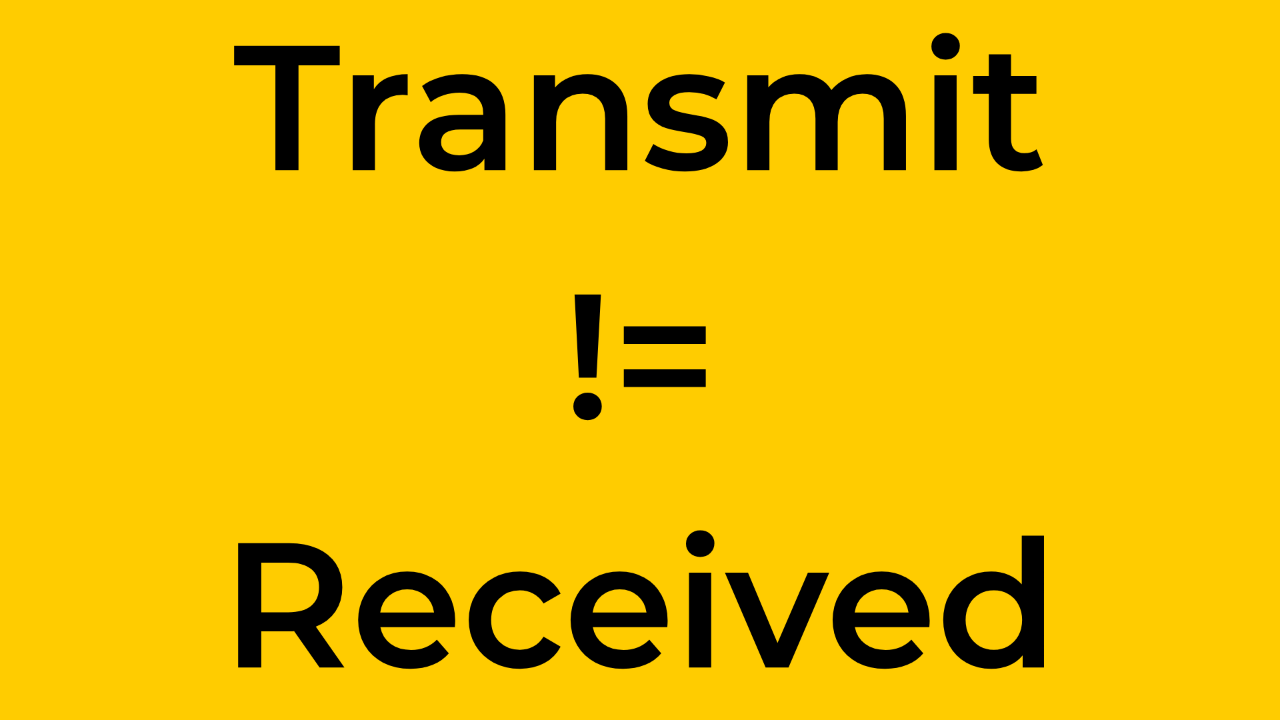
You've just delivered what felt like a strong presentation. Clear structure. Good content. You knew your stuff.
A week later you follow up with the customer. They've forgotten half of it. The key message you built the whole session around? Gone.
This is one of the most frustrating experiences in technical communication. And it happens all the time.
Here's why.
Transmit != Received
What you transmit is not what gets received.
The Brain Transplant Myth
There's a mental model a lot of technical presenters operate from without realising it. It goes like this: I have knowledge in my brain. I speak words. Those words travel across the room and land directly in the brain of my audience. Transaction complete.
If only.
People don't hear, internalise, and retain everything you say. It's closer to throwing mud at a wall and seeing what sticks. The question isn't whether your audience will miss things - they will. The question is what you're doing to maximise what lands.
Why Retention Is Harder Than You Think
There are good reasons why what you transmit is not what is received.
Different frames of reference. Everyone in that room brings a different background, experience, and mental model of the topic. What feels obvious to you might need unpacking for them. What feels routine to them might be new territory for you. When frames of reference don't align, content slides off.
Comprehension gaps. If someone doesn't fully understand what you've said, they can't retain it. You can't commit something to memory that you haven't processed. And nobody is going to interrupt a senior technical professional mid-flow to say "sorry, could you explain that again?"
Attention is not constant. Concentration drifts. It happens to all of us. The Stranger Things season finale pops into someone's head. They wonder if they left the hob on. A notification vibrates in their pocket. They've been in back-to-back meetings since 8am. For thirty seconds, they're gone and when they come back, they've lost the thread.
Memory is imperfect. Even people who were fully engaged will forget things. That's not a criticism of your audience. It's just how human memory works. The content you spent three hours preparing will compete with everything else that happened that day.
Language barriers. In global technical teams, a significant number of people in any given audience are processing your words through a second or third language. That takes cognitive effort. That effort competes with retention.
So you need to design your presentation with these realities in mind.
The Presenter's Job Is Not to Deliver. It's to Land.
This is a complete mindset shift.
Delivering a presentation is not the goal. The goal is change. A decision made, a concept understood, an action taken. If your audience leaves and does nothing differently, the presentation failed. Regardless of how polished it was.
So the question becomes: how do you build a technical presentation that accounts for the reality of human attention and memory?
Four Things That Actually Help
1. Be brutally clear with yourself on what you want them to remember
Before you build a single slide, answer this question: if my audience remembers only three things from this session, what do I want those things to be?
This is the R in the AOREN framework. Remembered.
It's not the most talked-about element of presentation planning, but it might be the most important. When you're clear on your key messages, everything else in the session can serve them. Content that doesn't point back to those messages gets cut or deprioritised.
Clarity of message is the foundation. Without it, repetition and structure don't help, you're just repeating the wrong things more often.
2. Use deliberate repetition
There's an old presenter's principle that still holds up: tell them what you're going to tell them, tell them, then tell them what you told them.
It sounds basic but it works.
Your key messages should appear at the beginning of your session, be reinforced through the content in the middle, and be recapped clearly at the end. This isn't padding, it's strategy. Repetition is how messages move from short-term exposure to long-term retention.
In the Technical Storytelling Program, this is one of the changes that makes a huge difference. People are often surprised how much repetition is appropriate before it feels excessive to an audience.
3. Build reset points into your structure
Think about how reality TV shows handle ad breaks. Before the break you get a cliffhanger. After the break, before the story continues, you get a quick recap: here's where we are, here's what just happened, here's what's coming. It feels slightly annoying when you watch the whole thing on a streaming service with no ads, because you realise how many recaps there were. But in the original format, with real interruptions? They work. They bring people back up to speed and back into the story.
Presentations need the same thing. Not to that level, nobody wants a presenter who spends 40% of the session recapping the previous 60%. But short, deliberate reset points throughout a longer session give drifting audience members an on-ramp. A moment where they can re-join the motorway without needing to have caught everything that came before.
A reset point might sound like: "So to recap what we've covered X and Y, now let's move on to Z." Ten seconds. High value. Particularly useful in longer demos, technical deep-dives, and conference sessions where people are processing a lot of new information.
4. Create emotional hooks
Emotion aids memory. This is well-established in cognitive science and it's something the best communicators use effectively.
A short story that creates tension or surprise will be retained far longer than a bullet point with the same information. A striking data point that creates a "what, really?" moment will anchor the content around it. A specific example that makes the abstract concrete will be recalled when the abstract statistic is long forgotten.
This is what Technical Storytelling actually is. Not dressing up dry content in unnecessary narrative, but finding the human angle that makes complex ideas stick. Emotion isn't decoration. It's a retention tool.
A Quick Audit for Your Next Session
Before your next presentation, run through these questions:
Can I name the three things I most want this audience to remember? If not, you're not ready to build the session yet.
Do my key messages appear more than once? Beginning, middle, and end at minimum.
Have I built any reset points into longer sections? Particularly useful after the fifteen-minute mark.
Is there at least one moment of genuine emotional engagement? A story, a surprising number, a real example. Something that makes people feel something.
You can't control what your audience retains. But you can dramatically improve the odds.
Designing for retention rather than delivery is one of the fundamental shifts that separates good technical communicators from great ones. The content matters. How you architect it matters just as much.
If you want to build these skills in a structured way, take a look at the Technical Storytelling Professional Program - built specifically for people in Pre-Sales, Consulting, Customer Success, and Engineering who need to communicate complex ideas and drive real action.
BenP