Active Listening for Tech Professionals: The Human Skill AI Can't Replace | Elevated You
Apr 14, 2026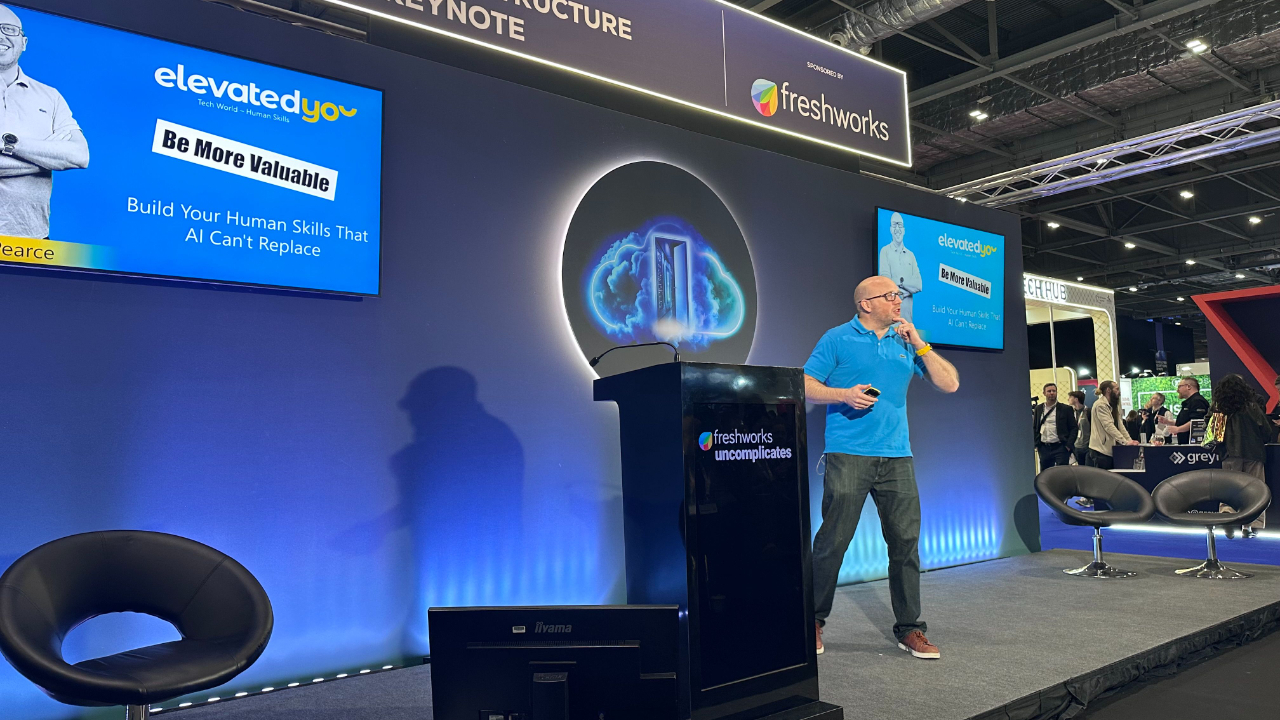
A few weeks ago I was on stage at Tech Show London, presenting to around 200 people on one topic: build the human skills that AI can't replace. Active listening was front and centre. Here's why it matters now more than ever, and exactly how to do it.
Why This Matters Right Now
AI is brilliant. It can write code, summarise documents, analyse data and answer almost any technical question you throw at it. The one thing it's genuinely not great at? Interfacing with real human beings in the moment.
If you want to thrive in tech right now, the formula is simple: sharpen your AI skills AND invest in your human skills. The professionals who'll be most valuable in the next five years aren't just technically sharp, they're the ones who can build trust, navigate complexity and make people feel heard.
And that starts with active listening.
I'm not talking about the corporate training version. I'm talking about genuinely being present in a conversation and showing it. It's one of the most overlooked communication skills for technical professionals, and it makes a massive difference to how you're perceived as a consultant, pre-sales engineer, customer success manager or technical leader.
The 5-Step Active Listening Framework
- Actually Pay Attention. Everything else on this list depends on this one. Phone away. Eyes up. Genuinely focused. And if you're on a video call, I can see your eyes. I can tell when you're composing an email or checking Slack. Give the person your full attention or don't bother showing up.
- Show Your Listening. You're not a statue. Nod occasionally. Make eye contact. Give the person in front of you a bit of human feedback that tells them you're tracking what they're saying. Don't overdo it, but don't sit there completely blank either.
- Mirror The Energy. If they're excited and energetic, match that. If they're serious and focused, match that. Mirroring energy isn't fake, it's empathy in action. It tells the other person you're on the same wavelength and builds rapport fast.
- Clarify. Ask pertinent questions. Not just to fill silence, to genuinely understand. It shows you're engaged and turns a one-way monologue into a real conversation. For pre-sales and consulting conversations especially, the right clarifying question can completely change the direction of a deal.
- Summarise. Hear something, internalise it, play it back. "So what I'm hearing is..." It helps you remember what was said and shows the other person they've been genuinely heard and understood. In high-stakes customer conversations, this one move alone can completely shift the dynamic in the room.
Why Most People Don't Do This
None of these five things are complicated. You already know them. So why don't more people do them consistently?
Because under pressure, in important meetings, with your boss watching or a deal on the line, your brain is running a completely different program. It's thinking about what you're going to say next. It's wondering if the customer liked that last answer.
Active listening is a skill, which means it takes deliberate practice. The good news is you can start in your very next conversation, with no special tools or training required.
The Bigger Picture
In a world where AI handles more and more of the technical heavy lifting, the ability to make another person feel truly heard is a genuine competitive advantage. Don't underestimate it.
This is what technical storytelling is really about at its core. Yes, it's about structuring your message. Yes, it's about communicating complex ideas clearly. But underpinning all of it is empathy. Understanding the person in front of you. And you can't do that if you're not actually listening to them.
Consultants who listen properly close more engagements. Pre-sales engineers who listen properly build more compelling solutions. Customer success managers who listen properly retain more accounts. Technical leaders who listen properly build more engaged teams.
Put It Into Practice
Pick one conversation this week where you're going to be intentional about all five. Fully present. Visibly listening. Matching the energy. Asking a clarifying question. Summarising what you heard.
Notice the difference in how that conversation feels, and how the other person responds to you.
The human skills that AI can't replace aren't going to develop themselves. But with a bit of attention and practice, they're absolutely learnable and they will absolutely transform your impact.
Hope this helps.
Ben